
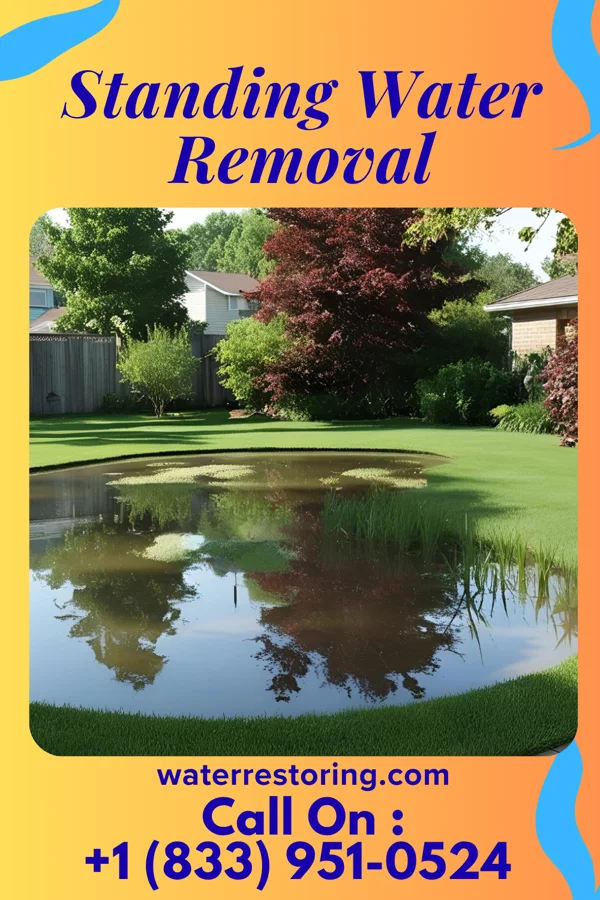
Standing Water Across Duchesne Neighborhoods
Every neighborhood in Duchesne has a different water damage risk profile. The one that shows up on most restoration calls is In Duchesne, Utah, the primary water damage cause is often due to burst pipes in rural homes, especially during colder months when frozen pipes can rupture. Additionally, heavy rainfall in the area, particularly near Altamont and Bluebell, can lead to basement flooding and water intrusion in older homes.. A close second is Secondary causes include seepage from nearby creeks and rivers, especially after flash floods in the surrounding valleys. Poorly maintained gutters and downspouts in Myton and other small towns also contribute to water damage during the spring thaw..
Duchesne's semi-arid climate with occasional heavy precipitation increases the risk of water damage. The region's low elevation and proximity to the Uinta Basin make it susceptible to sudden weather changes, including thunderstorms and flash floods that can overwhelm drainage systems.
Water damage in Duchesne follows a few local patterns. In Duchesne, Utah, the primary water damage cause is often due to burst pipes in rural homes, especially during colder months when frozen pipes can rupture. Additionally, heavy rainfall in the area, particularly near Altamont and Bluebell, can lead to basement flooding and water intrusion in older homes. accounts for the bulk of our calls. Duchesne's semi-arid climate with occasional heavy precipitation increases the risk of water damage. The region's low elevation and proximity to the Uinta Basin make it susceptible to sudden weather changes, including thunderstorms and flash floods that can overwhelm drainage systems. Mold growth in Duchesne can quickly become a serious health hazard due to the region's dry air and temperature fluctuations. Prompt water damage restoration is critical to prevent mold from spreading in homes and commercial properties.